Pumping Water from Fuel Tanks: An Important Process for Safety and Sustainability
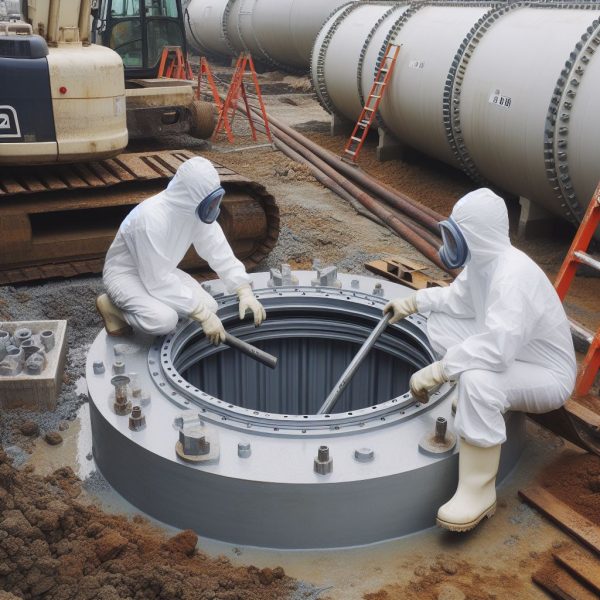
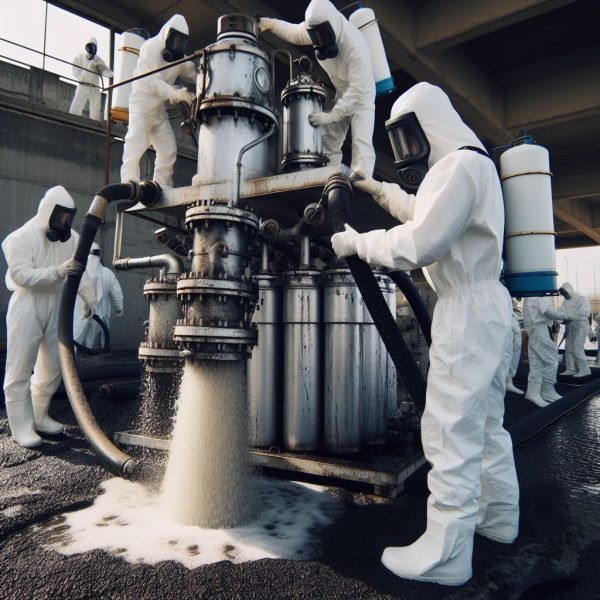
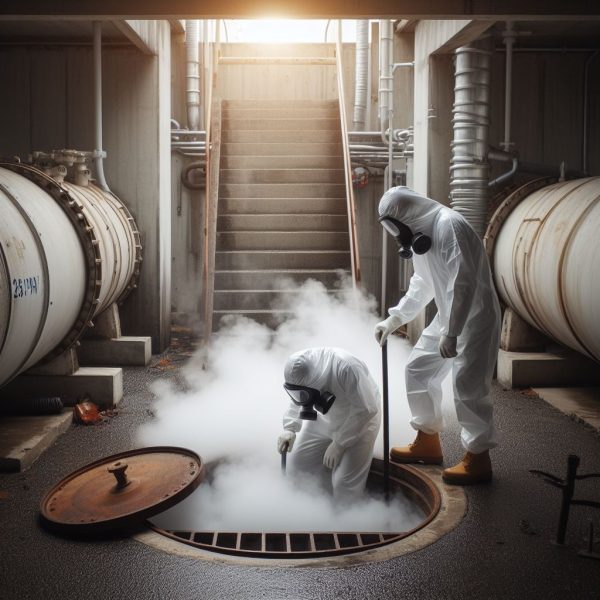
Managing fuel tanks at service stations requires complexity and care to ensure proper operation and safety. A critical part of this process is the pumping of water from the fuel tanks, a process used for a variety of reasons such as maintenance, cleaning, and inspection. In this article, we'll look at how pumping water from a gas station fuel tank works, the technologies used, and the importance of this process for sustainability and safety.
How Pumping Water from a Fuel Tank Works
1. Pumping Systems:
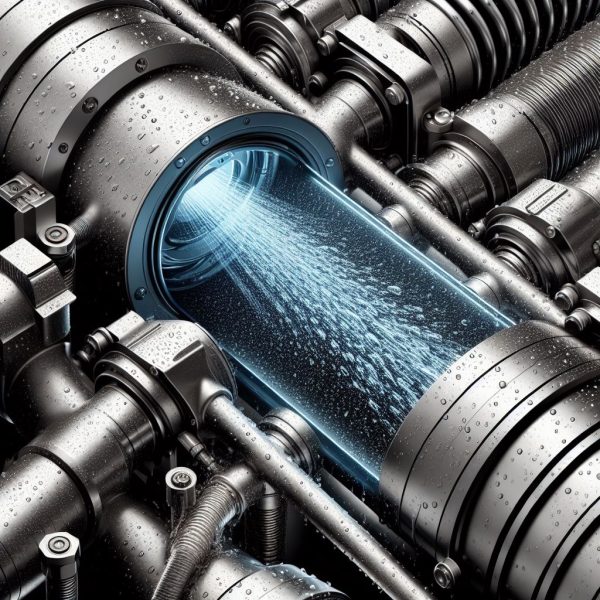
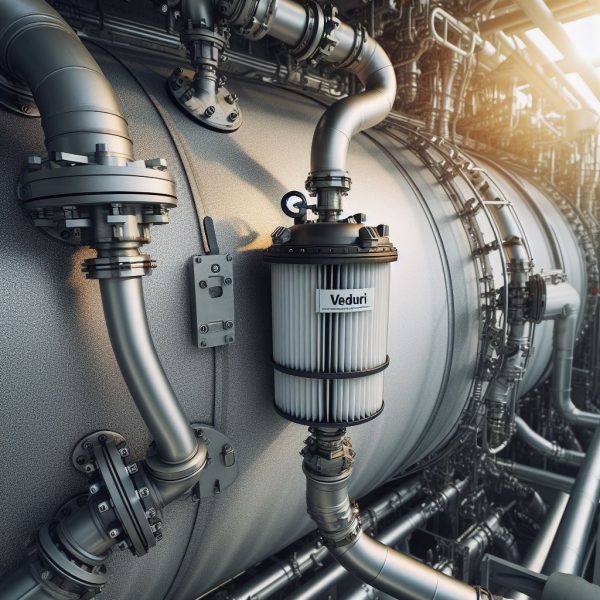
Fuel tanks are usually equipped with pumping systems consisting of pumps and piping. Each system is adapted to the needs of the particular gas station.
2. Pumping Purposes:
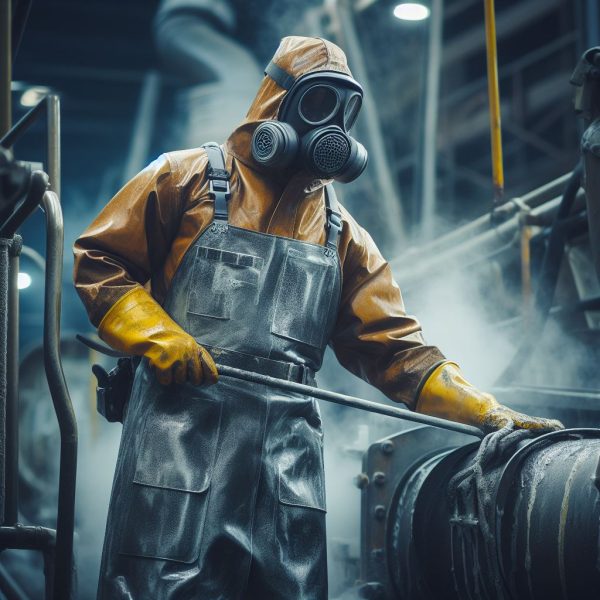
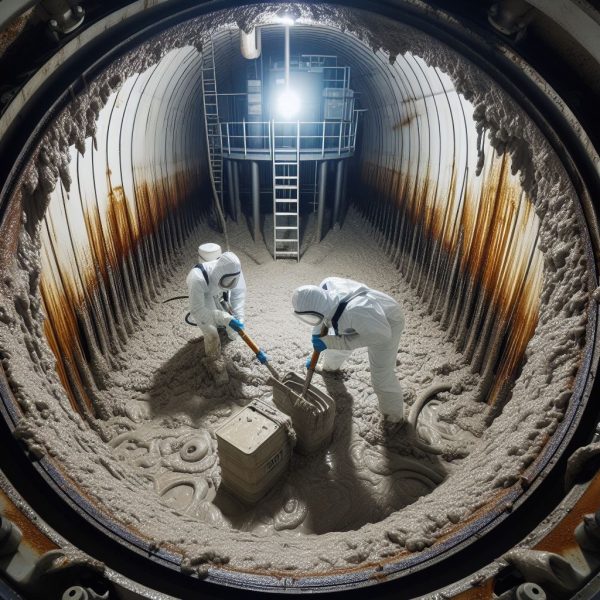
- Cleaning and Maintenance: Water pumping is used to clean and maintain tanks, removing contaminants and deposits.
- Leakage Check: It allows checking the tightness of the tank avoiding fuel leakage.
3. Pumping Technologies:
- Submersible Pumps: They are used to pump water into the tank.
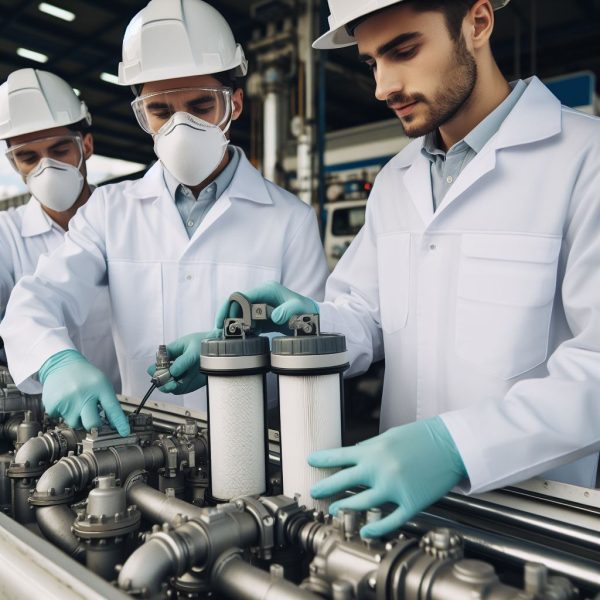
- Fluid Management Systems: Sophisticated monitoring and control systems for efficient water management.
The Importance of Water Pumping for Sustainability
Pumping water from a fuel tank contributes to the sustainability of petrol stations. Some ways in which sustainability is promoted include:
1. Conservative Management:
Water pumping allows preventive maintenance of reservoirs, preventing problems that could have a negative effect on the environment.
2. Effective Pollutant Control:
Regular water pumping helps remove contaminants and deposits, preventing soil and groundwater pollution.
Conclusions
Pumping water from a petrol station fuel tank is an essential aspect of overall resource management. Proper implementation of this process contributes to the safe and efficient operation of service stations, reducing environmental risk and enhancing the sustainability of the industry.