Well Venting: From Fuel Tank Fumes to Safe Gas Management
Manhole ventilation is emerging as a critical element in the safe management of fuel tank fumes. In this article, we will take a detailed look at manhole ventilation, its importance in reducing fumes, and the advanced technologies used for this purpose.
Sump Ventilation in Detail
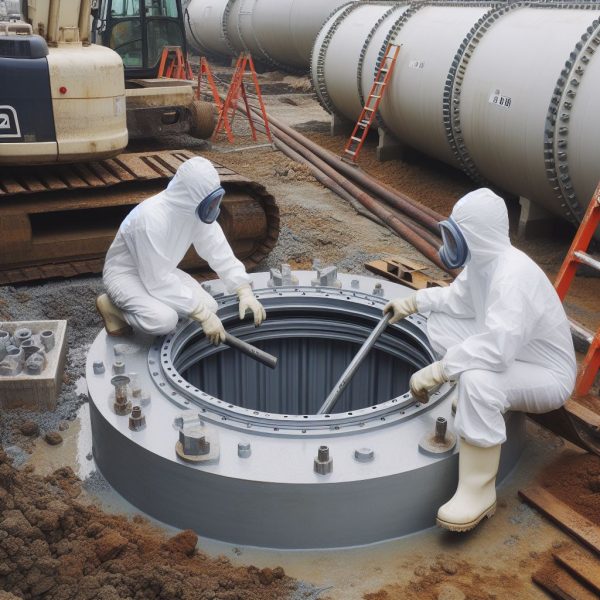
A well is a deep opening in the ground designed to collect and release gases, in this case, from the fuel tank. Well venting is a key process for reducing fumes from fuel storage.
The Basics of Sump Ventilation:
- Correct Placement:
- The placement of the well must be done in a place that ensures effective ventilation.
- Ground Type Meditation:
- Soil characteristics must be considered for ventilation effectiveness.
- Ventilation Technology:
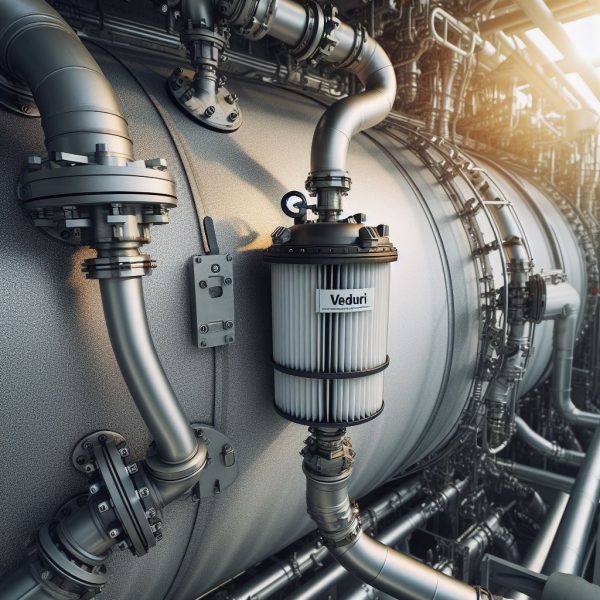
- Modern technologies, such as special ventilation caps, contribute to the effective release of gases.
Advantages of Sump Ventilation
- Safe Release:
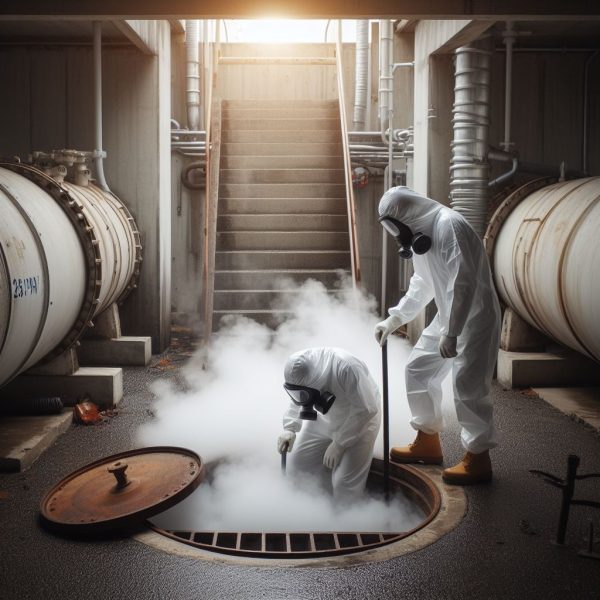
- The venting process ensures the safe release of gases, preventing any explosions.
- Environmental Protection:
- The reduction of fumes contributes to the protection of the environment.
- Fuel Economy:
- Controlling the release of gases can contribute to fuel savings.
Frequently Asked Questions and Answers
1. Is sump venting necessary for all types of fuel tanks?
Yes, sump venting is essential for all types of fuel tanks in order to prevent uncontrolled release of gases.
2. Are there any proposed technologies for well venting?
Yes, modern technologies such as special vent caps are designed to enhance ventilation efficiency.
3. How can ventilation affect fuel efficiency?
Ventilation prevents fuel loss due to fumes, thereby improving fuel economy and reducing operating costs.
Conclusions
Well venting is emerging as a key factor in ensuring the safe management of fuel tank gases. By using advanced technologies, not only environmental protection but also fuel savings are achieved, making manhole ventilation a key element in any fuel tank installation.