Internal Fuel Tank Cleaning: Best Practices for Effective Maintenance
The internal cleaning of fuel tanks from mud is an essential part of the maintenance in petroleum facilities. Over time, sludge build-up can cause problems such as reduced performance, equipment wear, and even the risk of leaks. In this article, we will look at best practices for cleaning internal fuel tank sludge, focusing on the importance of maintenance for the safety and efficient operation of the facilities.
Basic Steps of Internal Cleaning
1. Condition Inspection:
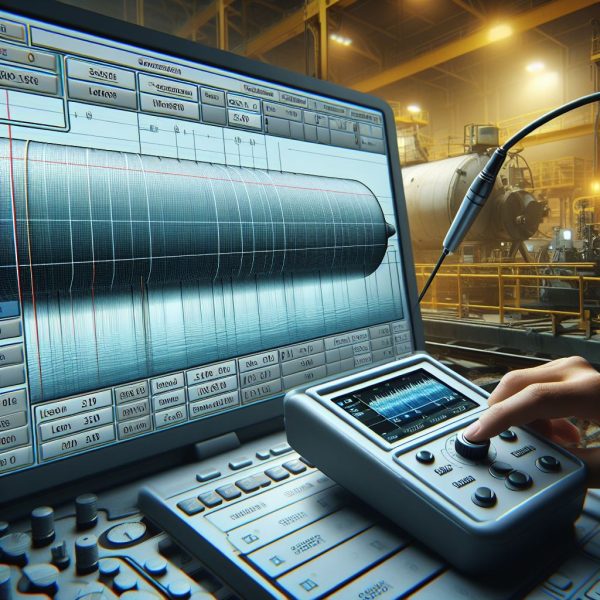
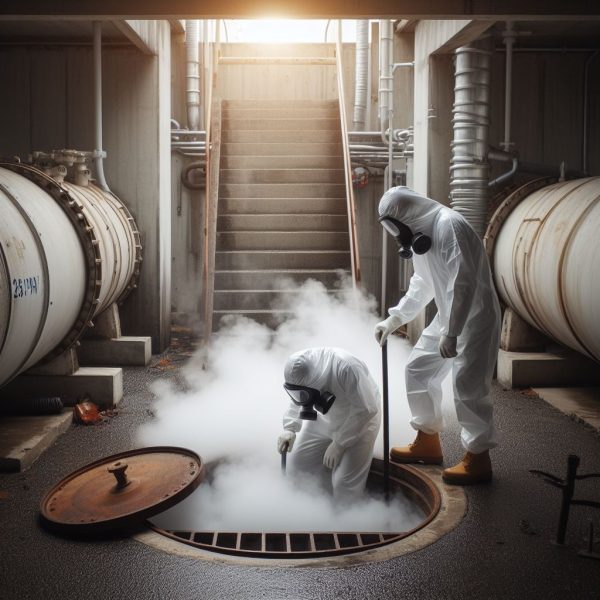
- We begin with a careful inspection of the condition of the tank and equipment to identify potential problems.
2. Fuel Removal:
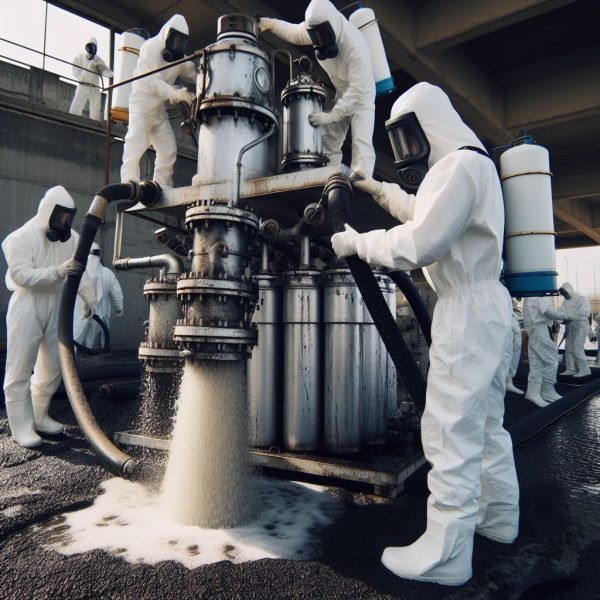
- We empty the fuel tank and ensure their safe disposal.
3. Sludge Extraction:
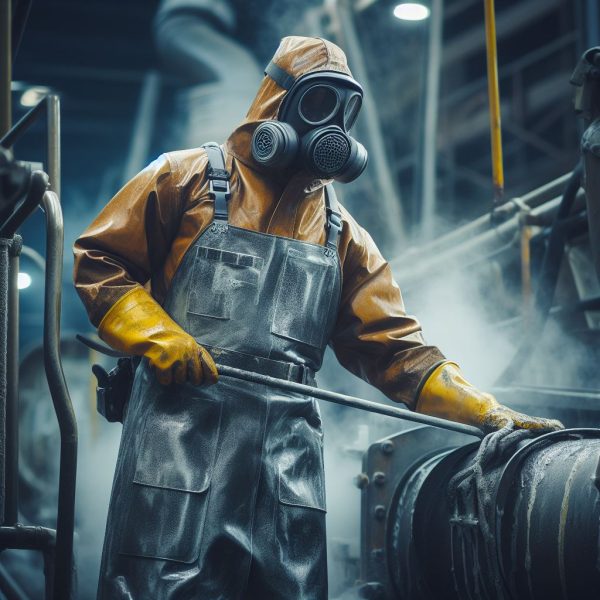
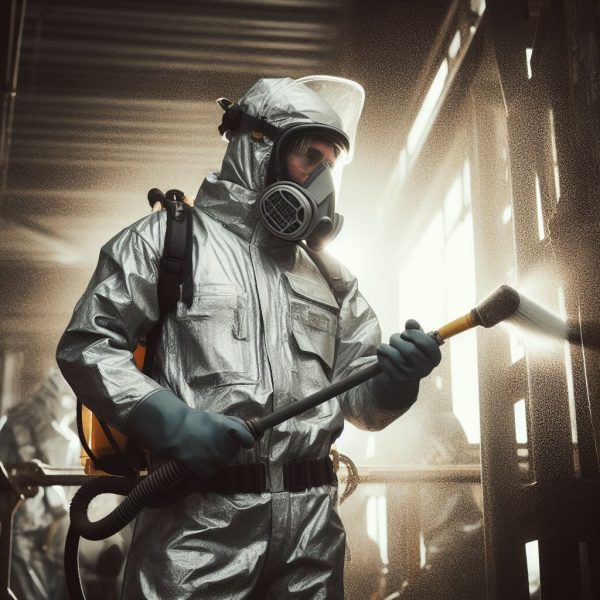
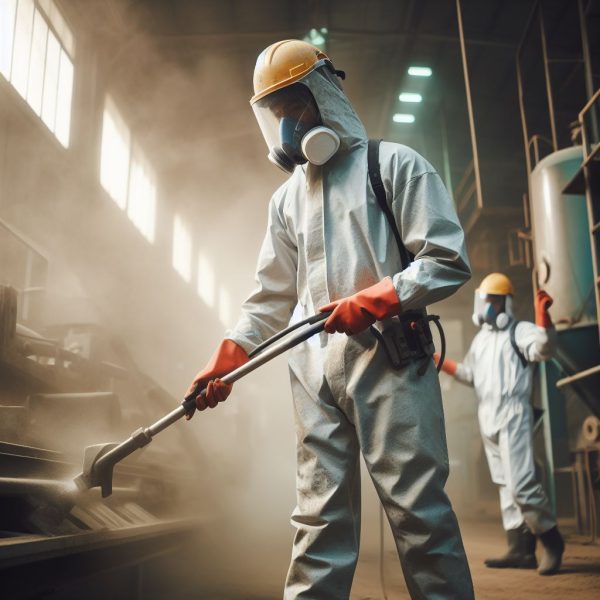
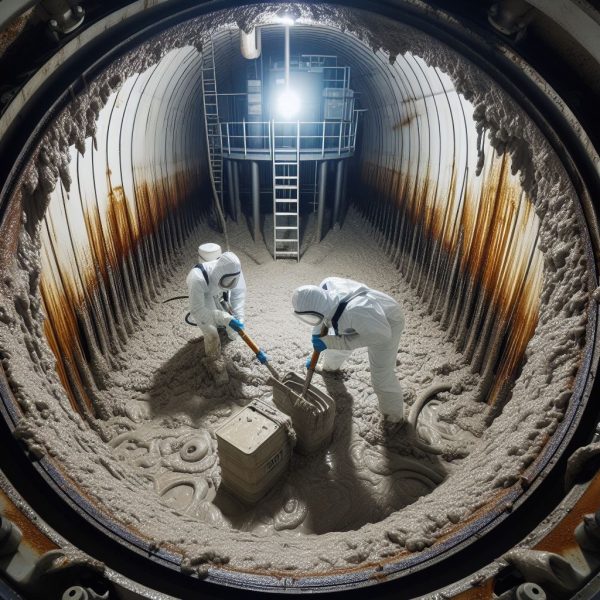
- We use specialized equipment to remove the sludge from inside the tank.
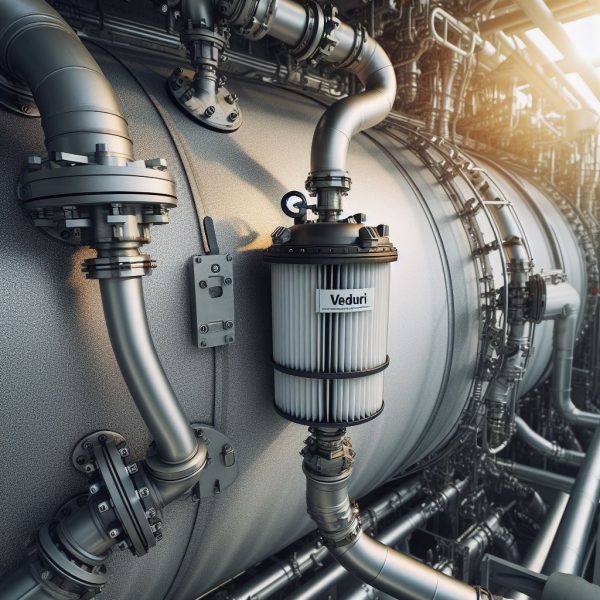
4. Cleaning Filter Systems:
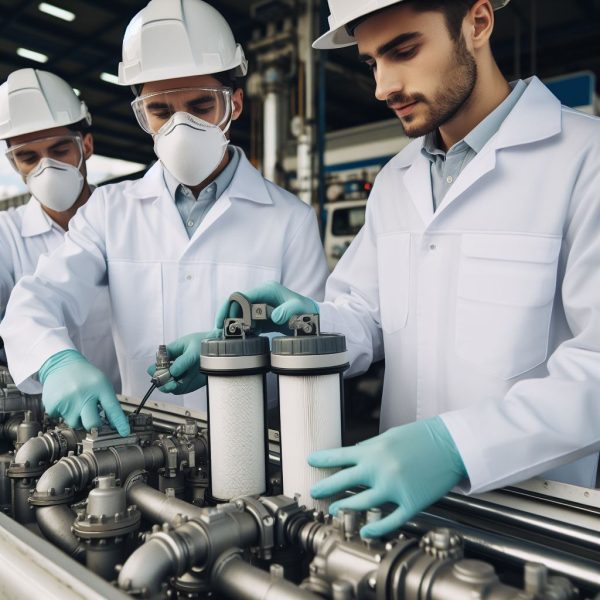
- We check and clean filter systems for efficient fuel filtration.
5. Interior Seat Check:
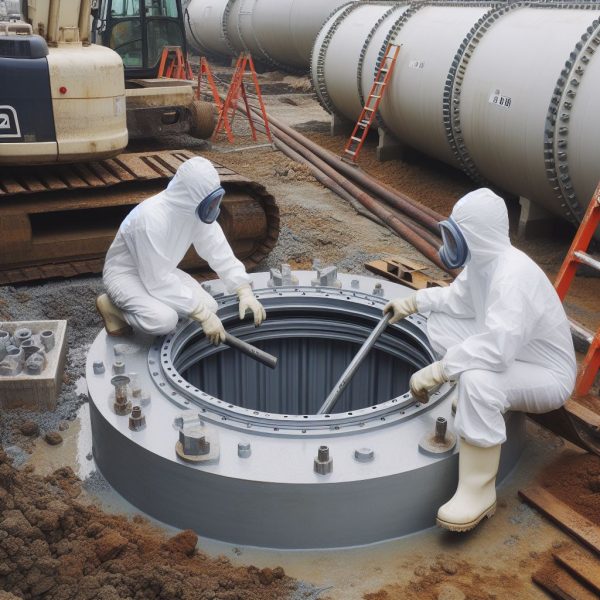
- We examine the interior of the tank for deposits and damage that require further repair.
Conservative Practices for Achieving Longevity
1. Regular Checks:
- Scheduled regular checks to immediately detect and address problems.
2. Use of Appropriate Materials:
- Selection of materials that withstand the action of fuels and chemicals.
3. Personnel training:
- Staff training for safe practices and dealing with emergency situations.
Conclusion
Internal fuel tank cleaning from sludge is an integral part of maintenance that contributes to the longevity and efficient operation of the facilities. Adherence to best practices, regular inspection, and training of personnel are the keys to maintaining safety and efficiency in the fuel field.