Gasoline Tank Rehabilitation: The Key Process for Maintaining Safety and Performance
Rehabilitating gas station fuel tanks is a critical step in maintaining safety and efficiency in the fuel industry. In this article, we will look at the importance of restoration, the various techniques used, and the benefits that come from this process.
The Importance of Fuel Tank Rehabilitation
Fuel tanks at storage stations face a variety of problems, including corrosion, leaks, and fuel reserves. Rehabilitation is the process that repairs and restores tanks to working condition.
1. Risk Prevention:
Early remediation detects and repairs problems that can cause hazards such as fuel leaks or ignition.
2. Reuse Space:
Restoration allows for the safe reuse of space without the risks associated with defective tanks.
3. Sustainability:
It increases the life of tanks and reduces maintenance costs.
Tank Rehabilitation Techniques
Specialist technicians use various techniques to restore fuel tanks. These include:
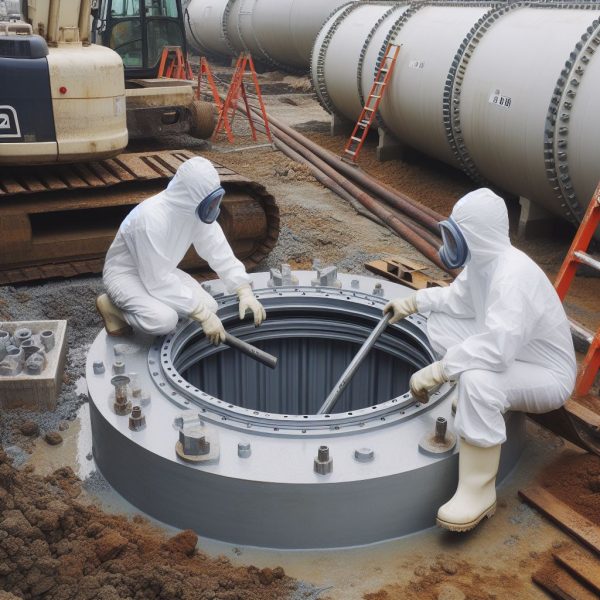
1. Cleaning and Decontamination:
Decontamination and cleaning of the inner surface of the tank for effective restoration.
2. Leak Repair:
Detect and repair leaks to prevent fuel loss.
3. Replacement Parts:
Replacement of defective or worn tank parts.
4. Watertight Reset:
Restoring the tightness of the tank with special materials.
Benefits of Rehabilitation
- Security: Restoration eliminates risks associated with defective tanks.
- Performance: The correct operation of the tanks ensures a continuous supply of fuel.
- Economy: Reduces maintenance and damage prevention costs.
Conclusions
Overall, station fuel tank rehabilitation is an essential part of the maintenance approach to ensure safety, performance and sustainability. By using specialized techniques and materials, the longevity of the tanks is achieved, offering a reliable fuel storage system.